AFA explained: Why your TNB bill is rising — and how solar helps!
25th May 2026
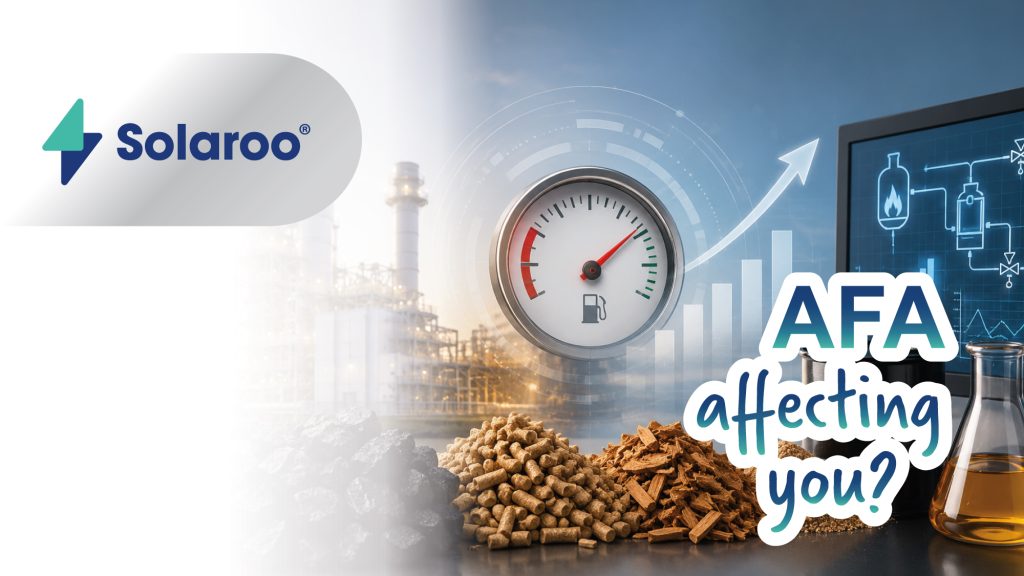
As we highlighted in our previous article, the Automatic Fuel Adjustment (AFA) is now reviewed monthly and directly affects your TNB electricity bill based on fuel costs.
With the latest update for June 2026, the AFA has increased further to +2.59 sen/kWh, up from +1.38 sen/kWh in May. For many households, this means another increase in electricity bills despite using the same amount of electricity.
If you’ve been wondering why your bill is climbing, here’s what the latest AFA update means.
AFA has shifted from rebate to surcharge
At the beginning of 2026, electricity consumers were enjoying rebates as fuel costs remained relatively low.
Within just a few months, that situation has reversed.
| Month | AFA |
|---|---|
| Jan 2026 | -4.99 sen/kWh |
| Feb 2026 | -2.77 sen/kWh |
| Mar 2026 | -2.15 sen/kWh |
| Apr 2026 | -0.47 sen/kWh |
| May 2026 | +1.38 sen/kWh |
June 2026 |
+2.59 sen/kWh |
The trend shows that AFA has moved from giving consumers money back to charging an additional surcharge on every unit of electricity imported from the grid.
Same home. Same usage. RM91 difference.
To better illustrate the impact, let’s compare a typical landed home consuming around 1,200 kWh per month.
In January, the homeowner received approximately RM60 in AFA rebates.
By June, that same household is now paying approximately RM31 in AFA surcharge.
Nothing changed.
Not the home.
Not the family’s electricity usage.
Only the monthly AFA.
That’s a total swing of RM91 over just five months.
Can solar protect you from AFA?
The short answer is:
Yes… but only for the electricity you use directly from your solar panels.
This is one of the biggest misconceptions we hear.
Many homeowners believe that exporting excess solar energy back to the grid avoids AFA charges.
It doesn’t.
✅ Solar you use (Self-consumption)
When your home uses solar electricity the moment it is generated:
- You reduce electricity imported from TNB
- No AFA is charged on that portion
- Every kWh consumed directly from your roof avoids AFA
This is why daytime self-consumption delivers the greatest savings.
❌ Solar you export
When excess solar is exported back to the grid:
- You receive energy credits under Solar Atap
- However, AFA is still charged whenever you import electricity later
- Exported energy credits do not offset AFA
In other words, the best protection against AFA is using your own solar energy in real time.
How can you maximise your solar savings?
The more electricity you consume while your solar panels are producing, the more grid electricity you avoid purchasing.
Simple changes can make a meaningful difference:
- Charge your EV during the day
- Run your washing machine in daylight hours
- Schedule your pool pump during solar production
- Operate high-energy appliances while the sun is shining
These habits increase your self-consumption and reduce exposure to future AFA increases.
Solar isn’t about predicting fuel prices
Nobody knows exactly where fuel prices will move next month.
What you can control is how much electricity you need to buy from the grid.
Every unit of electricity generated and consumed directly from your own rooftop is one less unit exposed to rising fuel adjustment charges.
As AFA continues to fluctuate each month, homeowners with well-designed solar systems place themselves in a stronger position to manage long-term electricity costs.
Thinking about going solar?
At Solaroo, we don’t just design solar PV systems to generate electricity.
We help homeowners maximise self-consumption, allowing you to reduce reliance on the grid and minimise exposure to future AFA fluctuations.
Our microinverter PV systems, paired with LONGi solar panels, are designed to deliver safer, smarter and more efficient solar performance for Malaysian homes.
Want to find out how much you could save?
Drop our team a WhatsApp at +60 12-592 8010 for a free consultation and personalised solar assessment.
” 为什么我这个月的 TNB 电费又变高了?”
” 我不是装了太阳能吗,应该不受影响吧?”
” 电费单上的 AFA 到底是什么?”
这些都是最近涌入我们信箱的问题。这篇文章将说明 AFA 到底是什么、它影响哪些人,以及大多数人最容易搞错的一点——太阳能对它能做什么、又不能做什么。
为什么这个月电费变高了?
简单来说:自动燃料调整费(AFA)又上涨了。2026年6月,它是 +2.59 仙/千瓦时的附加费,比 5 月的 +1.38 还高。而今年初它其实是相反的——是一项回扣,会把钱「退」回到你的账单上。
你的基本电价并没有改变。如果两个月的用电量相同、账单总额却不同,那差额几乎全都来自 AFA。
|
月份 |
AFA(仙/千瓦时) |
|
2026年1月 |
-4.99(回扣) |
|
2026年2月 |
-2.77(回扣) |
|
2026年3月 |
-2.15(回扣) |
|
2026年4月 |
-0.47(回扣) |
|
2026年5月 |
+1.38(附加费) |
2026年6月 |
+2.59(附加费) |
AFA 数据:能源委员会(ST)/ Single Buyer,2026年6月。AFA 每月调整,可能变动。基本电价在 RP4(自 2025 年 7 月 1 日起生效)下维持不变。更新记录:2026年5月(+1.38 仙/千瓦时)→ 2026年6月(+2.59 仙/千瓦时)。
换算成令吉是多少?
以一个普通有地住宅、每月用电约 1,200 千瓦时来算。今年 1 月,AFA 是回扣——大约为账单省下 RM60。到了 6 月,同样的住宅、同样的用电量,却要缴付大约 RM31 的附加费。
也就是说,每月相差约 RM91——而你什么都没有多做。
AFA 会影响哪些家庭?
只有每月用电超过 600 千瓦时的家庭。如果你每月总用电量在 600 千瓦时或以下,AFA 会被完全豁免——你一分都不必付。
有一点值得注意:这是一项「门槛豁免」,而不是免费额度。一旦你超过 600 千瓦时,AFA 就会套用在你当月从电网输入的「所有」千瓦时上,而不只是超出 600 的那部分。
” 可是我装了太阳能——应该有保障吧?”
不一定。这是我们最常听到的误解。
- 你即时使用的太阳能(自发自用)→ 不向电网买电 → 不收 AFA。
- 你输出到电网的太阳能 → 会抵消你的电量费,但不会抵消 AFA。
换句话说,输出更多电并不能抵消这笔附加费。真正能保护你的,是即时使用自己发出的太阳能。
你实际上能做些什么?
- 把用电移到白天——泳池泵、电动车充电、洗衣、热水器。趁太阳能正在发电时使用它们。
- 按「自用」来设计系统,而不是追求最大输出。
- 已经装了太阳能?查看你的仪表板。如果你输出的电超过发电量的一半,通常还有不少可以轻松调整用电时间的空间。
总结
AFA 是真实存在的,自 5 月转为附加费以来每个月都在上涨,而且只要你超过 600 千瓦时,它就会套用在每一度输入的电上。太阳能有帮助——但只针对你自己用掉的那部分电。
如果你想了解自己账单中有多少是自用、多少是输出,透过 WhatsApp 联系我们——我们会陪你一起看你的实际用电情况。